
Can Diabetic Patients Get Dental Implants? — The Complete Honest Answer
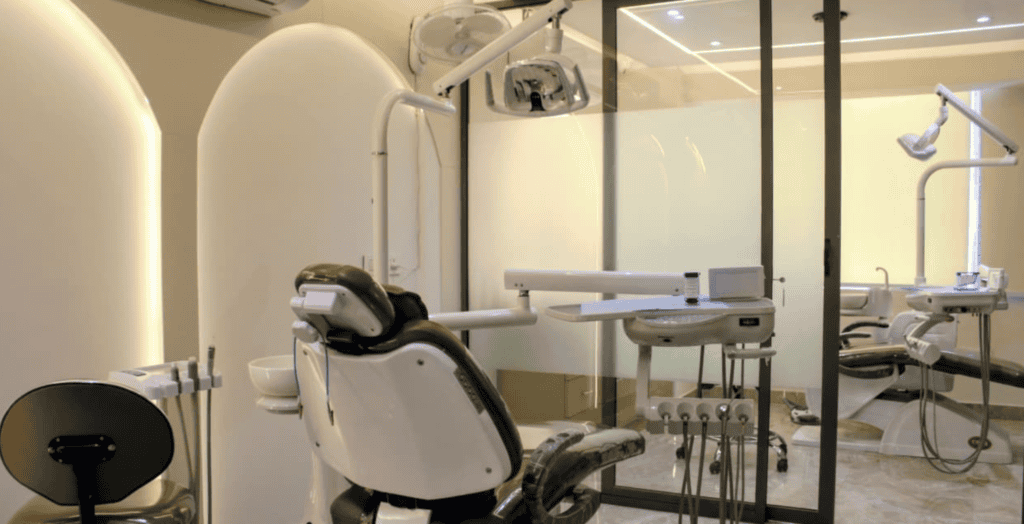
This is one of the most common questions we receive at Lumina Dental, Sector 68 Mohali — and it comes with a lot of anxiety attached to it.
A patient comes in wanting dental implants. They have been living with a missing tooth for months or years. They are ready to finally do something about it. And then they hesitate — because they have diabetes, and someone told them they cannot get implants.
That someone was wrong.
The complete, honest answer is this: yes, diabetic patients can get dental implants — and at Lumina Dental, Mohali, we have successfully placed implants in many patients managing diabetes.
However there are important things to understand before proceeding. This blog explains everything — how diabetes affects dental implants, what makes a diabetic patient a good candidate, how we manage the process at our Mohali clinic and what you can do right now to improve your chances of a successful outcome.
Why Do People Think Diabetics Cannot Get Dental Implants?
The concern comes from a real and legitimate place. Diabetes affects the body’s ability to heal, manage infection and regulate blood flow. These are all factors that matter in implant surgery and healing.
In the past — when implant technology was less advanced and screening less thorough — diabetic patients did face higher complication rates. This led to a blanket assumption that diabetes and dental implants do not mix.
Modern implant dentistry tells a very different story.
The best dental keywords combine high commercial intent with local relevance — procedure-specific local terms like dental implants in a specific city consistently outperform generic terms. And searches like “can diabetics get dental implants” reflect exactly this — patients in Mohali and Chandigarh who have diabetes and are actively looking for an honest answer before booking a consultation.
The honest answer is that well-controlled diabetes is not a barrier to dental implants. Uncontrolled diabetes is a different matter — and we will explain the distinction clearly.
How Diabetes Affects Dental Health
Before understanding implants specifically, it helps to understand what diabetes does to your teeth and gums in general.
Increased risk of gum disease
People with diabetes are significantly more susceptible to periodontal (gum) disease. High blood sugar creates an environment where bacteria thrive — leading to inflammation, infection and breakdown of the gum tissue and bone that support your teeth. This is actually one of the most common reasons diabetic patients lose teeth in the first place.
Slower healing
Diabetes affects circulation and immune response — both of which are critical for wound healing after any surgical procedure including dental implant placement.
Higher infection risk
Compromised immune function means diabetic patients are more vulnerable to post-surgical infection if blood sugar is not well managed at the time of treatment.
Dry mouth
Many diabetic patients experience dry mouth — which reduces the natural protective effects of saliva and increases the risk of decay and gum problems.
The key point: all of these factors are manageable. With proper preparation, monitoring and aftercare — diabetic patients can and do achieve excellent dental implant outcomes.
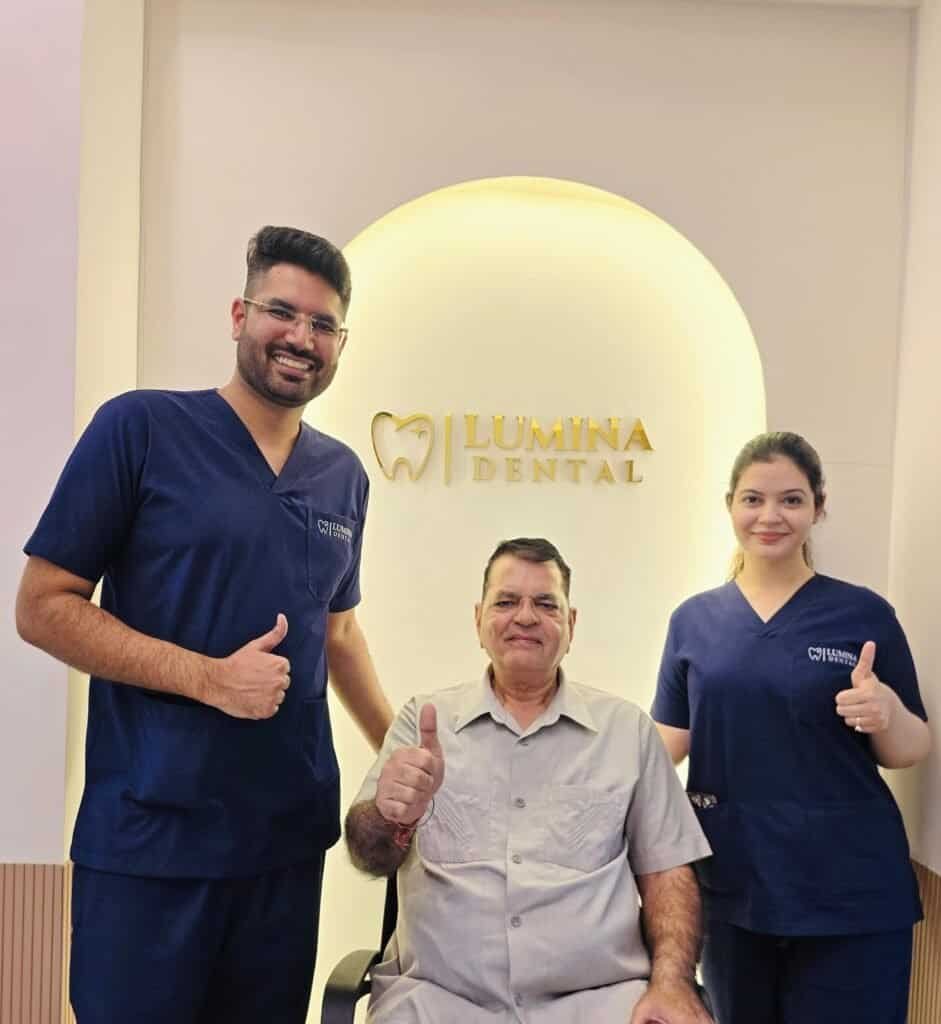
What the Research Says — Can Diabetics Get Dental Implants?
Yes — and research consistently supports this.
Studies show that patients with well-controlled diabetes have dental implant success rates comparable to non-diabetic patients. The critical variable is not whether you have diabetes — it is how well your blood sugar is controlled at the time of treatment and during healing.
Patients with HbA1c levels below 7-8% — indicating good to moderate blood sugar control — are generally considered good candidates for dental implants with appropriate precautions.
Patients with poorly controlled diabetes — HbA1c significantly above 8% — face higher risks of complications including slower healing, infection and implant failure. For these patients, we recommend working with their physician to improve blood sugar control before proceeding.
At Lumina Dental, Mohali, our specialist assesses every diabetic patient individually — reviewing their current HbA1c, medication, overall health and oral condition — before recommending implant treatment. This thorough assessment is what makes the difference between a successful outcome and a complication.
What Makes a Diabetic Patient a Good Candidate for Dental Implants?
These are the factors our implant specialist assesses at Lumina Dental, Sector 68 Mohali, when evaluating a diabetic patient for implants:
1. Blood sugar control (HbA1c)
This is the most important factor. Well-controlled diabetes — generally HbA1c below 7.5-8% — significantly improves implant success rates. We may ask you to share your recent HbA1c results at your consultation.
2. Duration of diabetes
Long-standing diabetes with complications such as kidney disease, peripheral neuropathy or cardiovascular issues requires more careful evaluation than recently diagnosed or well-managed diabetes.
3. Current medications
Some diabetes medications can affect healing or interact with anaesthesia. Our specialist reviews your medication list at consultation to plan accordingly.
4. Gum health
Active gum disease must be treated before implant placement — this applies to all patients but is especially important for diabetic patients. Healthy gums are a prerequisite for successful implants.
5. Jawbone density
Diabetes can contribute to bone loss over time. We use CBCT 3D scanning to assess your jawbone density accurately — and if bone grafting is needed, we discuss this clearly before proceeding.
6. Smoking status
Smoking significantly impairs healing in all patients — but the combined effect of smoking and diabetes on implant success is particularly significant. We strongly recommend quitting before implant treatment.
How We Manage Dental Implants for Diabetic Patients at Lumina Dental, Mohali
At Lumina Dental, Sector 68 Mohali, we follow a structured protocol for diabetic patients considering dental implants — designed to maximise success and minimise risk.
Step 1 — Thorough assessment at free consultation
We review your complete medical history, current medications, recent HbA1c levels and perform a full oral examination including CBCT 3D scan. This gives us a complete picture before any recommendation is made.
Step 2 — Gum disease treatment if needed
If any gum disease is present, we treat this completely before proceeding with implant placement. Healthy gums are non-negotiable for implant success — in any patient.
Step 3 — Coordination with your physician if needed
For patients whose blood sugar is not optimally controlled, we may recommend consulting with your diabetologist to improve HbA1c before treatment. This is not a barrier — it is good medical practice that protects your investment and your health.
Step 4 — Timing of surgery
We schedule implant surgery at a time when your blood sugar is well managed. Morning appointments are often preferred as blood sugar tends to be more stable.
Step 5 — Antibiotic prophylaxis
We prescribe appropriate antibiotics before and after implant surgery for diabetic patients to reduce infection risk during the healing period.
Step 6 — Enhanced monitoring during healing
We schedule more frequent follow-up appointments for diabetic patients — to monitor healing, check for early signs of infection and ensure the implant is integrating successfully.
Step 7 — Ongoing support
After your implant is placed, we provide detailed aftercare instructions specific to diabetic patients — including blood sugar management tips during recovery, diet guidance and warning signs to watch for.
Tips for Diabetic Patients Considering Dental Implants in Mohali
If you have diabetes and are considering dental implants at Lumina Dental, Mohali, here are the most important things you can do to improve your chances of a successful outcome:
Get your blood sugar under control first
Work with your physician to achieve the best possible HbA1c before your implant procedure. The better your blood sugar control, the better your healing and implant success rate.
Tell us everything
Be completely transparent about your medical history, medications and blood sugar levels at your consultation. The more we know, the better we can plan your treatment safely.
Treat gum disease before implants
If you have any gum problems, address them first. Gum disease and diabetes form a negative cycle — each makes the other worse. Treating gum disease also improves blood sugar control in many patients.
Quit smoking
If you smoke, quitting before implant treatment makes a significant difference to your healing and long-term implant success — this is true for all patients but especially important for diabetic patients.
Maintain excellent oral hygiene
Brush twice daily, floss daily and use an antibacterial mouthwash. Good oral hygiene reduces the bacterial load in your mouth and gives your implant the cleanest possible environment to heal.
Attend all follow-up appointments
Do not skip your healing check-ups. For diabetic patients, we monitor healing more closely — and catching any early issue quickly makes all the difference to the final outcome.
Monitor blood sugar during recovery
Stress and surgical procedures can temporarily affect blood sugar. Monitor your levels more closely in the days following surgery and stay in touch with both your physician and our team.
Dental Implants vs Dentures for Diabetic Patients — Which is Better?
This is a question many diabetic patients ask — and the answer might surprise you.
Many people assume that dentures are the safer, simpler option for diabetic patients. In reality, dental implants often serve diabetic patients better than dentures for several important reasons:
Dentures cause bone loss
Dentures provide no stimulation to the jawbone. In diabetic patients who are already at higher risk of bone loss, dentures accelerate jawbone shrinkage — worsening the problem over time.
Dentures can cause gum irritation and infection
Ill-fitting dentures rub against the gums, creating sores that can become infected — a serious concern for diabetic patients who heal more slowly and are more infection-prone.
Implants support better nutrition
Denture wearers often avoid many nutritious foods because of chewing difficulty. Good nutrition is especially important for blood sugar management. Dental implants restore full chewing function — supporting better dietary choices and therefore better diabetes management.
Implants are a long-term solution
Well-placed dental implants in a well-managed diabetic patient can last a lifetime — avoiding the cycle of repeated denture replacements that each carry infection and irritation risks.
The decision is always individual and our specialist will give you an honest assessment of which option is right for your specific situation during your free consultation. For more info: https://luminadental.in/dental-implants-vs-dentures-mohali-blog-post/
Frequently Asked Questions — Dental Implants for Diabetic Patients in Mohali
Q1: Can I get dental implants if I have type 2 diabetes in Mohali?
Yes — many patients with type 2 diabetes successfully receive dental implants at Lumina Dental, Mohali. The most important factor is how well your blood sugar is controlled. Patients with well-managed diabetes and HbA1c below 7.5-8% are generally good candidates. Our specialist assesses each patient individually during a free consultation to determine suitability and plan treatment safely.
Q2: Can I get dental implants if I have type 1 diabetes in Mohali?
Yes — type 1 diabetic patients can receive dental implants with appropriate precautions. The same principles apply — blood sugar control is the most critical factor. Our specialist works closely with your medical team if needed to ensure the best possible outcome.
Q3: What HbA1c level is needed for dental implants?
Most implant specialists consider HbA1c below 7.5-8% as acceptable for dental implant treatment with standard precautions. Patients with HbA1c above this range are advised to work with their physician to improve blood sugar control before proceeding. Our specialist will review your recent HbA1c at your free consultation at Lumina Dental, Mohali.
Q4: How much do dental implants cost for diabetic patients in Mohali?
The cost of dental implants at Lumina Dental, Mohali starts from ₹19,999 for a single tooth implant — the same as for non-diabetic patients. Currently we are offering FLAT 50% off for first 5 patients with free consultation and free X-Ray included. No cost EMI available at ₹2,999/month. Our specialist will provide a complete cost breakdown at your free consultation.
Q5: Do dental implants take longer to heal in diabetic patients?
Healing may take somewhat longer in diabetic patients compared to non-diabetic patients — particularly if blood sugar control is not optimal. We account for this in our treatment planning and schedule more frequent monitoring appointments to support your healing. With good blood sugar control, many diabetic patients heal within a normal timeframe.
Q6: What are the risks of dental implants for diabetic patients?
The main risks for diabetic patients are slower healing, higher infection risk and slightly increased chance of implant failure compared to non-diabetic patients with poorly controlled blood sugar. With well-controlled diabetes, appropriate antibiotics and enhanced monitoring — the risks are significantly reduced and success rates are comparable to the general population. Our specialist discusses all risks openly at your free consultation.
Q7: Is there a best dental implant clinic in Mohali for diabetic patients?
Lumina Dental in Sector 68 Mohali has experience treating diabetic patients for dental implants with a structured protocol designed for their specific needs. Our specialist doctors Dr. Jaanbir Arora and Dr. Vibha assess every diabetic patient thoroughly, coordinate with their medical team if needed and provide enhanced monitoring throughout healing. With 500+ successful implants placed and 300+ five star reviews, we are trusted across Mohali and Chandigarh for safe, successful implant treatment.
Book Your Free Consultation at Lumina Dental, Mohali
If you have diabetes and have been putting off dental implants because of concerns about safety — come in and talk to us. Your situation may be better than you think.
At Lumina Dental, Sector 68 Mohali, your first consultation is completely free. Our specialist will:
- Review your medical history and current blood sugar control
- Assess your gum health and jawbone density with a free X-Ray
- Give you an honest assessment of your suitability for implants
- Explain all options clearly with complete cost transparency
- Answer every question you have — with no pressure
Current offer — FLAT 50% off for first 5 patients. Only 2 slots remaining.
📞 Call Now: 88474-10093
💬 WhatsApp: 88474-10093
📍 SCO 25, Sector 68, Mohali, Punjab
⏰ Mon-Sat: 9AM to 8PM
Free consultation + free X-Ray — book today. https://luminadental.in/contact-us/

